Lake, Pond, and Wetland Design, Construction, and Restoration MethodologiesLake, pond, and wetlands systems are designed and constructed to function biologically and look like a natural aquatic habitat, blending seamlessly with the surrounding environment. The newly created environment will provide habitat for aquatic, wetland, and terrestrial wildlife, contributing to the overall productivity of the larger ecosystem. While focusing on overall wildlife habitat our approach includes close association with deep water habitat in order to ensure the wetlands are robust and functioning optimally.
|
|
Our Design and Construction Process
We construct our aquatic habitats to have a specific percentage of the total surface area of the pond to have a maximum depth of 12-16 feet which will provide sufficient holding water for year-round fish survival. This provides a safe haven of cool water below when surface water temperatures rise in the summer months. During the winter months the deep water will provide constant water temperatures when dissolved oxygen levels in shallower water begin to drop due to decay of aquatic vegetation.
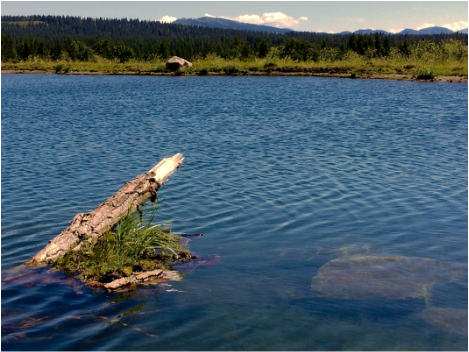
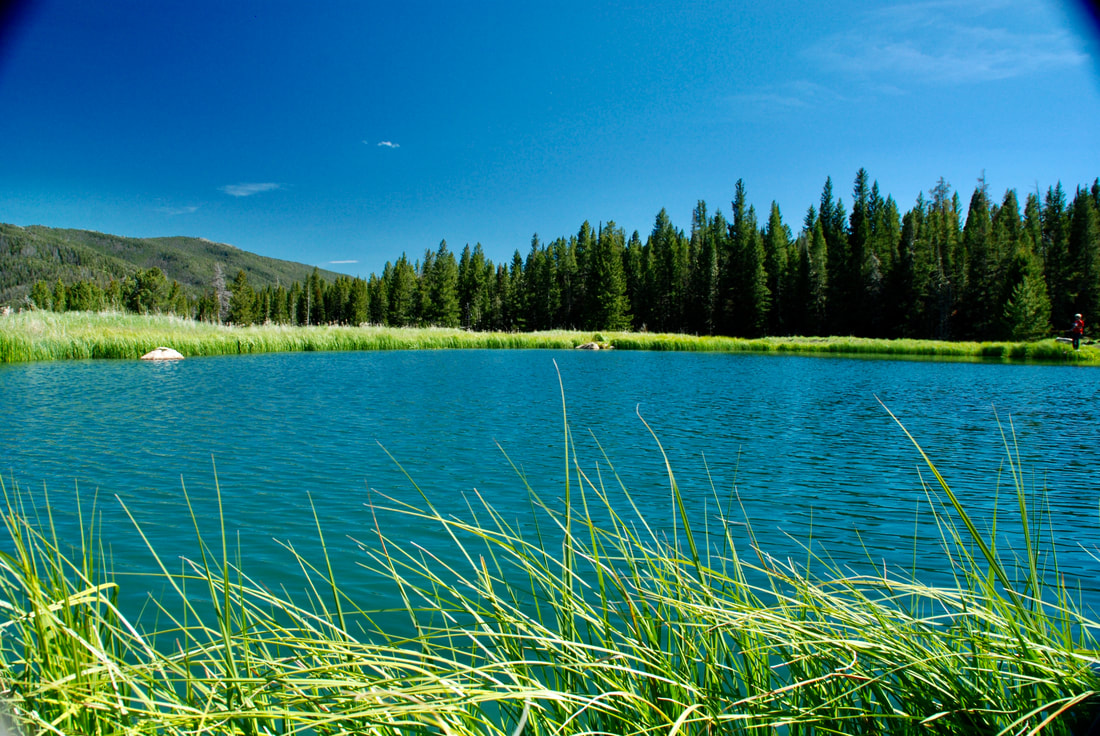
The pond border will be designed to transition from the surrounding upland into shallow wetland habitat areas, where waterfowl and fishery food base organisms will thrive in native wetland grasses and forbs. The extensive shallow wetland perimeter will surround the pond, occupying at least 25% of the pond’s water surface area. To effectively function as wildlife habitat the wetland is comprised of aquatic plants that survive well in submerged habitats as well as those that flourish along the upland fringe. Specific species of native plants (e.g., Carex and Scirpus spp.) are chosen based on their efficiency in absorbing basic nutrients suspended in the water as well as their functional qualities as forage material and ability to provide quality habitat. Submerged wetland species provide cover and feeding areas for juvenile fish and aquatic insects. Smaller emergent plant species with edible seed heads are chosen to allow small mammals and waterfowl access to food and nesting areas. Taller species are chosen to provide food and cover for upland birds and other local wildlife.
The pond border will be designed to transition from the surrounding upland into shallow wetland habitat areas, where waterfowl and fishery food base organisms will thrive in native wetland grasses and forbs. The extensive shallow wetland perimeter will surround the pond, occupying at least 25% of the pond’s water surface area. To effectively function as wildlife habitat the wetland is comprised of aquatic plants that survive well in submerged habitats as well as those that flourish along the upland fringe. Specific species of native plants (e.g., Carex and Scirpus spp.) are chosen based on their efficiency in absorbing basic nutrients suspended in the water as well as their functional qualities as forage material and ability to provide quality habitat. Submerged wetland species provide cover and feeding areas for juvenile fish and aquatic insects. Smaller emergent plant species with edible seed heads are chosen to allow small mammals and waterfowl access to food and nesting areas. Taller species are chosen to provide food and cover for upland birds and other local wildlife.
|
Using Nature as Our ModelWaterfowl will also utilize these wetland areas to rest, loaf, preen themselves, pair bond, breed, and feed on protein-rich invertebrates. The wetland vegetation also absorbs basic nutrients in the pond water, helping to maintain good water chemistry, clarity, and help cool the surface waters. The wetlands in the 1 to 1.5 foot depth zones will transition into open water in 4 to 6 foot depth zones.
|
At least 30% of the aquatic system will be comprised of diverse habitat structures (boulders, root masses, etc.) at a depth of 4-6 feet to provide cover and foraging areas for fish & aquatic organisms. By adding specific sized gravels and larger rocks, as well as anchored complex features such as limbs and other woody debris, the diverse pond topography is such that it creates ideal habitat for fingerlings, aquatic insects, amphibians, crustaceans and organisms within the food web. Maximum depths in the open water habitat will be at least 12-16 feet deep over a specific percentage of the bottom to provide adequate holding water volume for fish through seasonal temperature extremes. These combined features offer a habitat that is biologically diverse, balanced, and naturally beautiful.